
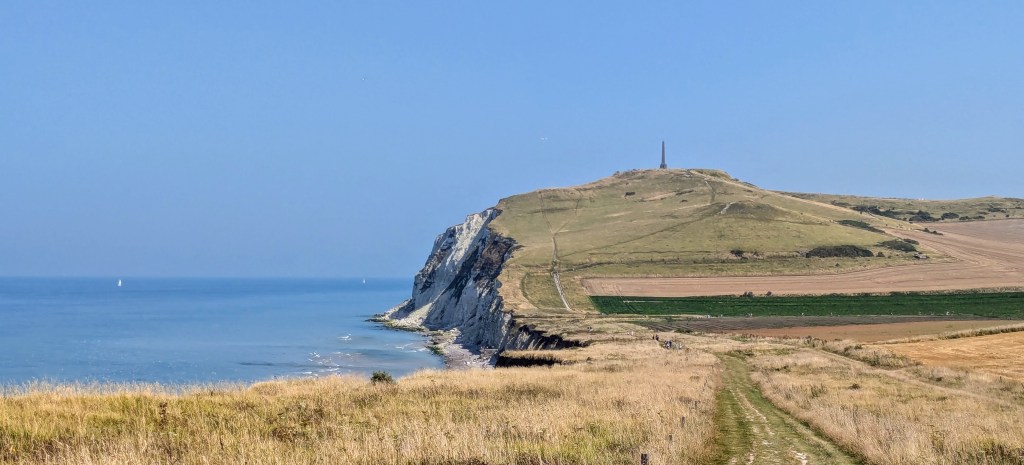
Côte d’Opale could be a perfect weekend getaway if you live within driving distance to the north of France. The coast offers something for everyone, popular beaches, isolated beaches, nature hikes, good food, good wine, a lot of history, proximity to metropolises like Brussels, London and Paris and much more. It could even be extended into a full week’s worth of vacation. As we live in Brussels, and had 4 days to enjoy, we decided to drive to Côte d’Opale in August 2024.
Location
As Wikipedia describes, Côte d’Opale “is a coastal region in northern France on the English Channel, popular with tourists.“. It features iconic promontories (a new word I learnt), which are cliffs that stretch out into the sea, such as the Cap Gris Nez and the Cap Blanc Nez. On a clear day, if you stare to the west, you can even see the English coast with naked eyes.
The name
As many of you may have guessed, Côte d’Opale translates to “The Opal Coast”. The name was given to this coast in 1911 by Édouard Lévêque, a painter from Le Touquet, as a homage to the continuous change of the reflected light from its rocky promontories which resemble the change in colors of Opal, a gemstone [1].
The drive from Brussels
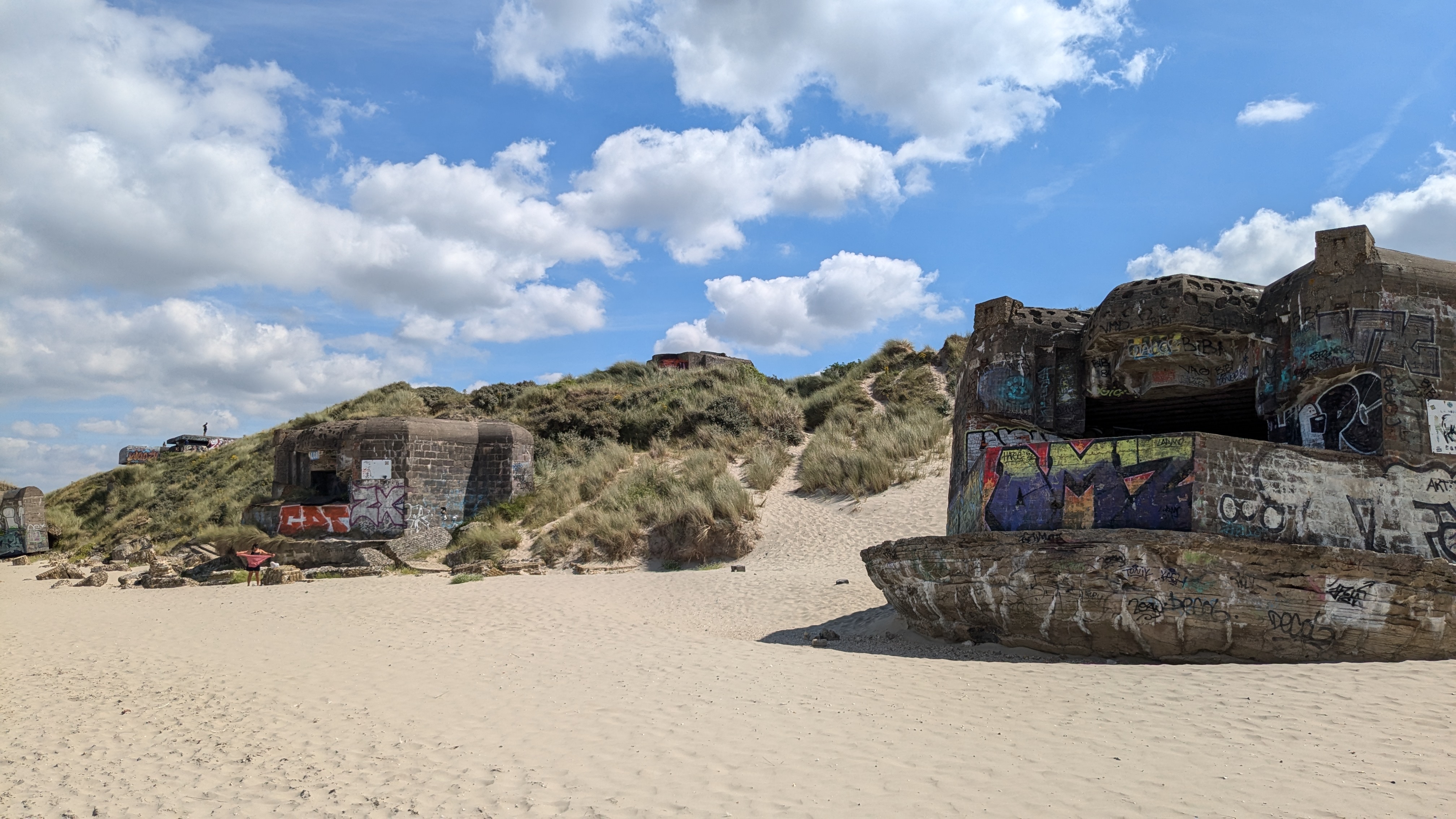
Côte d’Opale is a short drive from Brussels. We started the trip north-west towards the Belgian coast near Oostende and then along the coast, passing by Dunkirk and Calais, and ending at Audinghen, a tiny French town, which is where we stayed. As Dunkirk was on our way, we decided to take a short stop to have lunch and also visit the historic beaches famous for the Operation Dynamo in 1940, which also inspired the 2017 film Dunkirk by Christopher Nolan.
The stay
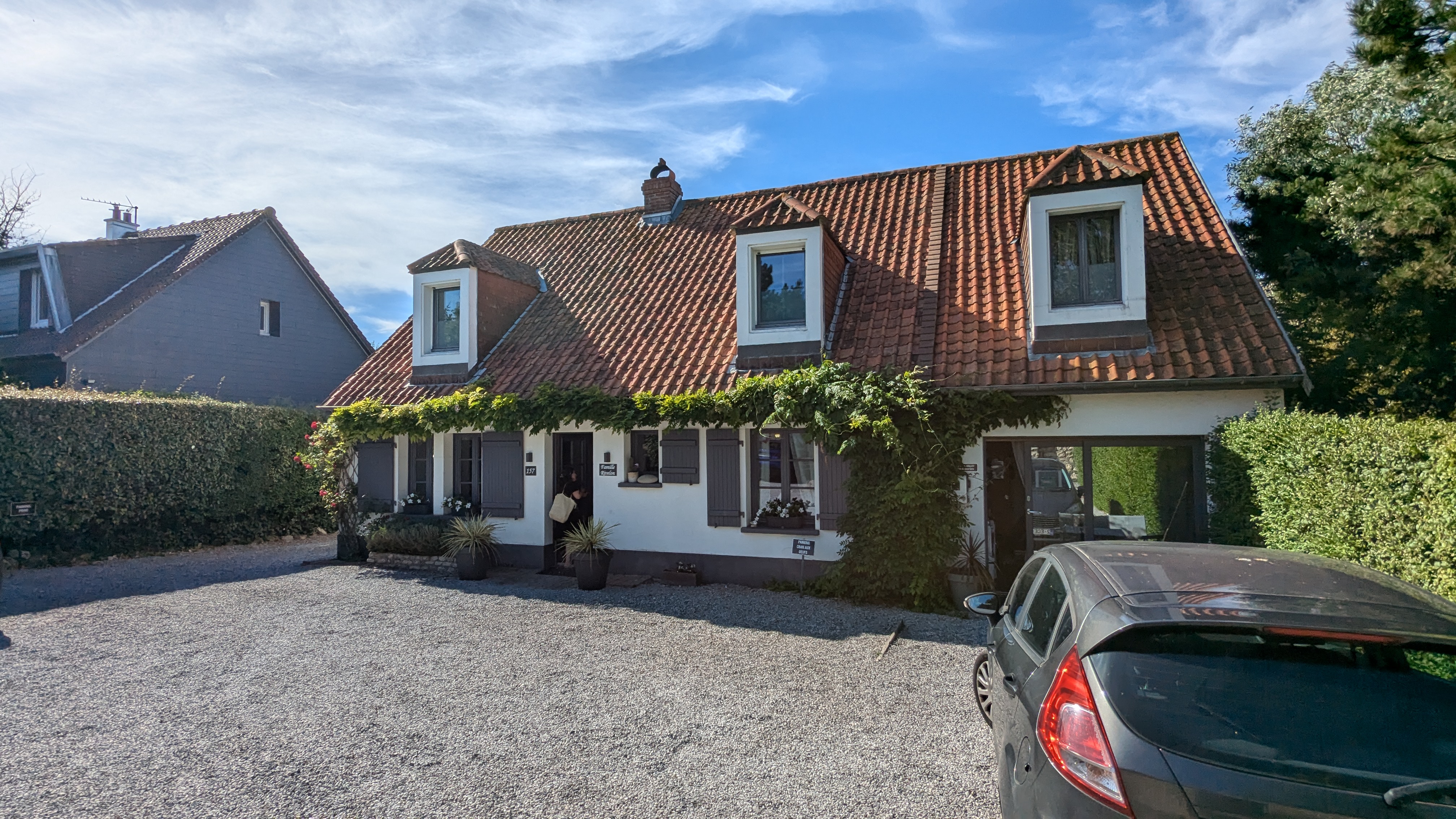
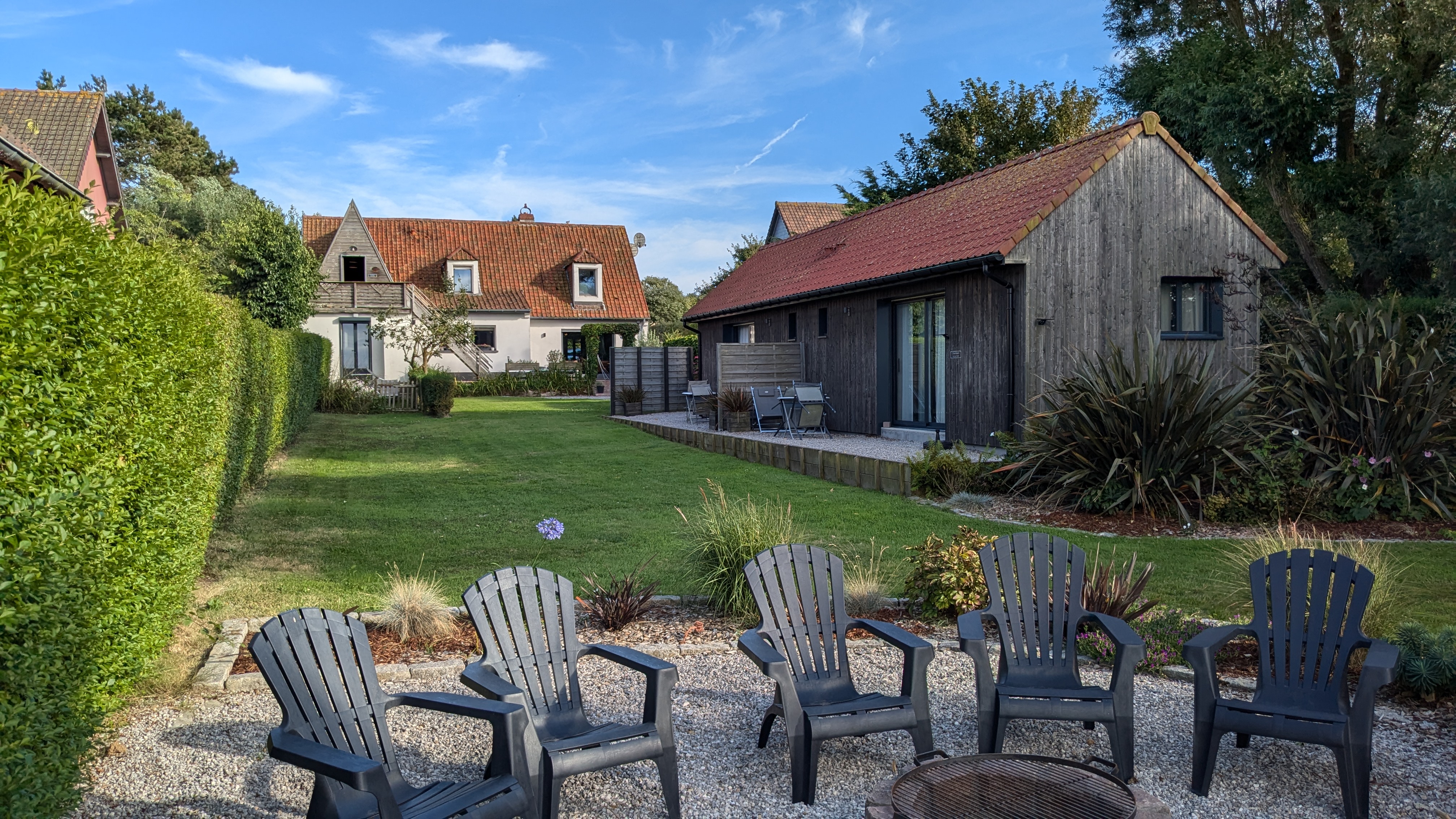
We stayed at a beautiful bed & breakfast ‘La Côte d’Opale La Rogeraie’ in the town of Audinghen. It is perfectly located in a peaceful setting and is just a 5 min drive to Cap Gris Nez and a 15 min drive to Cap Blanc Nez. The owner was very nice and welcoming, the accommodation was well taken care of and tidy. Every morning for breakfast they placed a basket with freshly baked croissants, pain au chocolat and a baguette (along with cheese, spreads, jams etc). I strongly recommend this place if you plan to visit Côte d’Opale.
As we prefer quiet non-urban locations for such getaways, Audinghen was ideal; another town that we loved was Wissant, which could also be a great option to stay. Other options to stay in the region could be Boulogne-sur-Mer, Le Touquet, Calais and many more.
Practical
Public transport
During our stay, we did see bus stops occasionally but it seemed that the frequency of the transportation was too low. So in such a remote region, travelling via public transport, although possible, can be heavily time consuming. One option to avoid reliance on public transport would be to find an accommodation in larger towns like Calais instead of remote locations like Audinghen, so that many touristic attractions are in close proximity. However, it must be noted that you may still miss out on many beautiful and interesting spots by restricting yourself within large cities.
We were using our car to drive to all the locations that we either selected to visit beforehand or just saw during our drive and decided to stop by. It gave us much needed independence in travelling. In terms of parking situation, for most of the touristic attractions, we were able to find parking spots within a couple of minutes and not far from the location. However, during our visit to Wissant, where we spent almost 2 days, parking can be challenging as it is a very small semi-urban town with narrow streets and limit parking spaces. We often found it easier to park just outside in the vicinity of the main city center and walk our way to different locations in the town.
Food
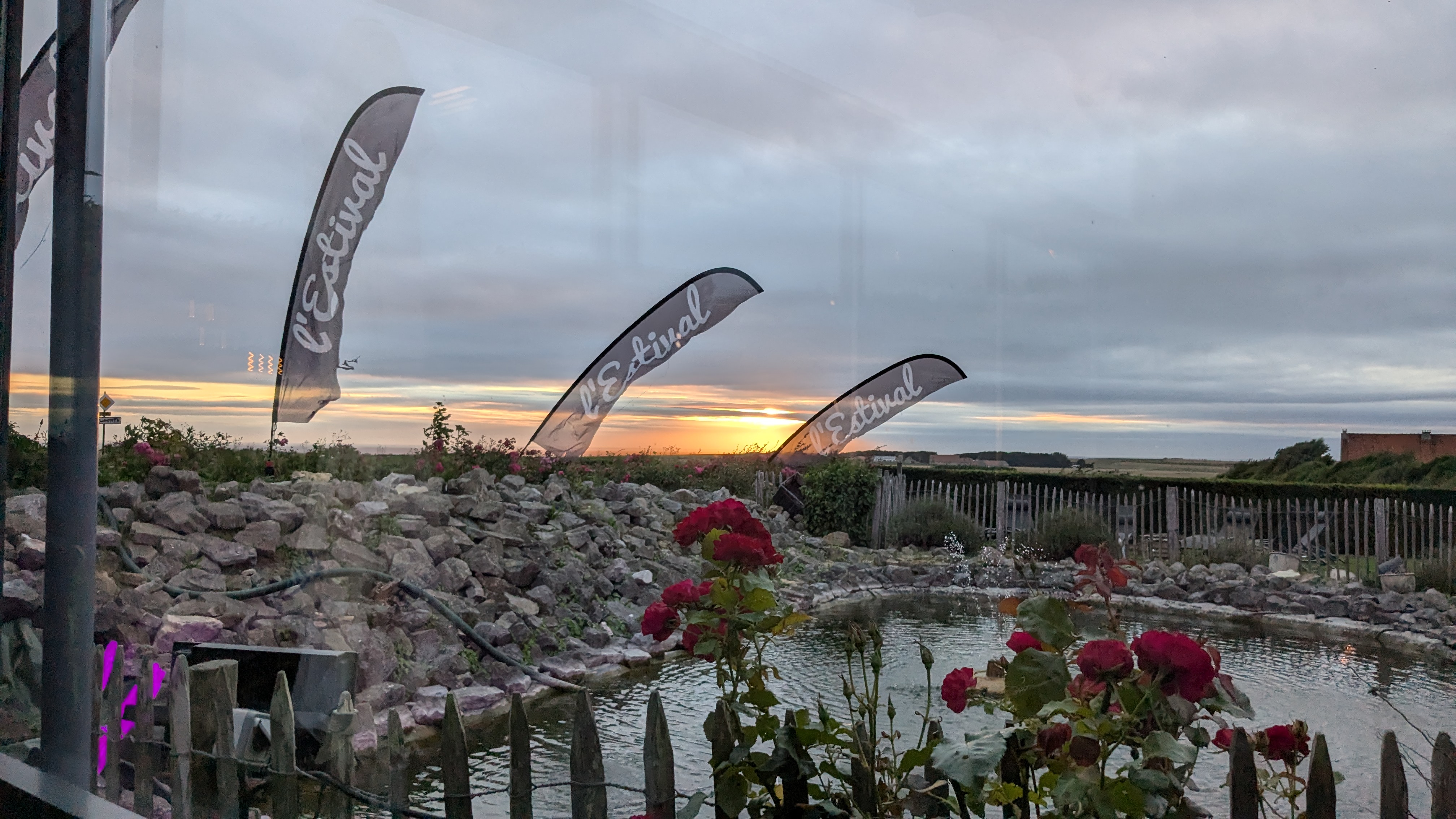
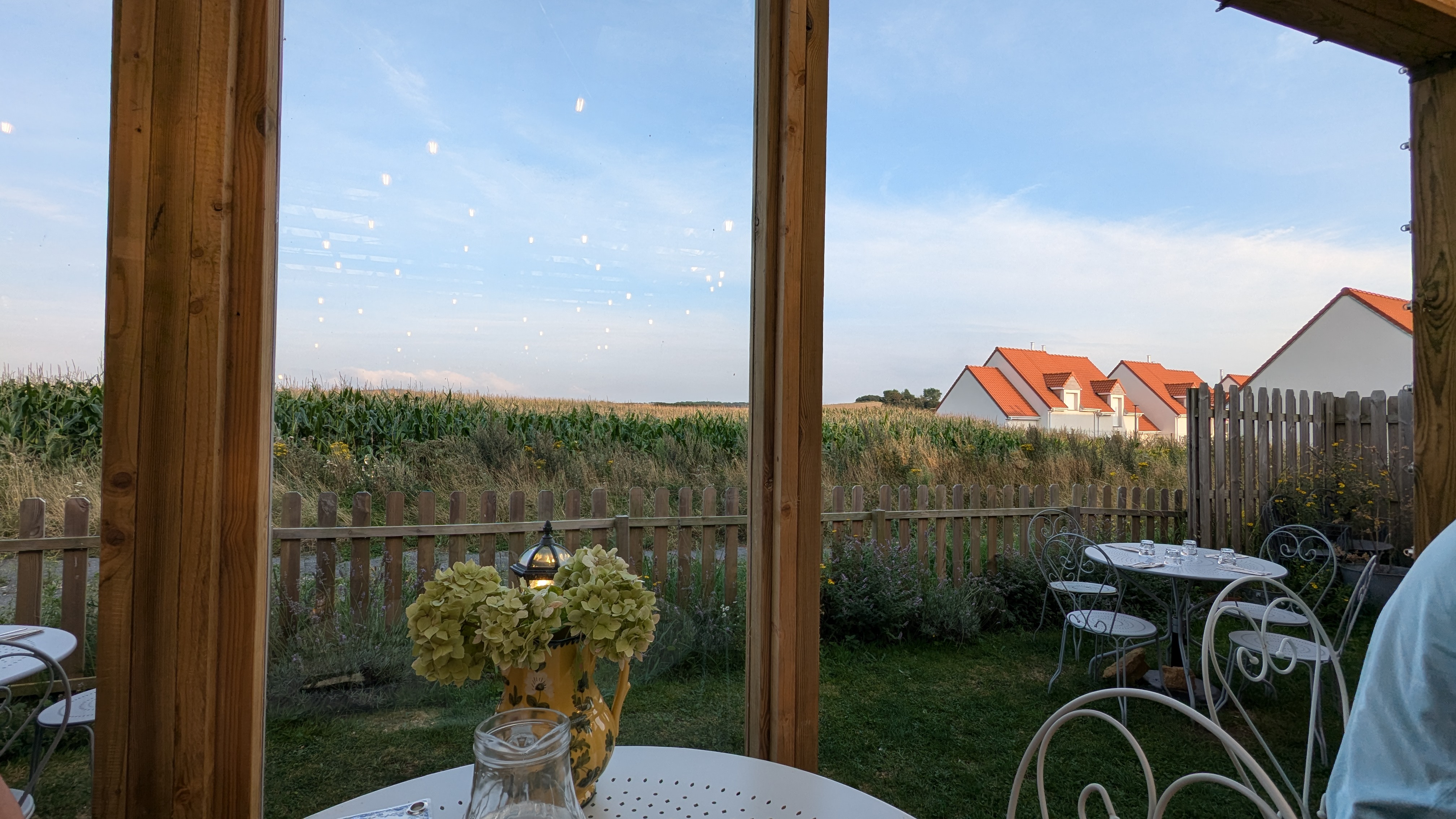
You will find plenty of options to eat if you have no dietary restrictions. However, if you are a vegetarian like me, it can significantly limit your options. In the town of Audinghen, we could find around 4-5 restaurants and only one of them offered vegetarian options. Do check out this nice restaurant ‘L’Estival‘ as it has very nice ambience, good food with vegetarian options and very nice service.
The limited availability of vegetarian options is understandable as it is a coastal region and sea food dominates the cuisine and it is not very close to big cities where you can find many different cuisines to chose from. Despite the restriction, I thoroughly enjoyed our breakfasts with croissants, baguette, pain au chocolat, and the multiple trips to the local boulangerie for sweet treats.
Language
Despite being a not-so-urban location, we were able to find at least one person in every establishment (shops, restaurants, museums, bakeries etc) who was able to communicate with us in English and help us out. Still, Google translate was essential during this travel to check our menus written in French, or directions/suggestions at touristic spots.
What to visit
As there are plenty of recommendations already on various websites and blogs over the internet about that to visit in Côte d’Opale, instead of re-inventing the wheel, I will just add links to those readings, and below, I will describe our travel itinerary.
Museum of the Atlantic Wall
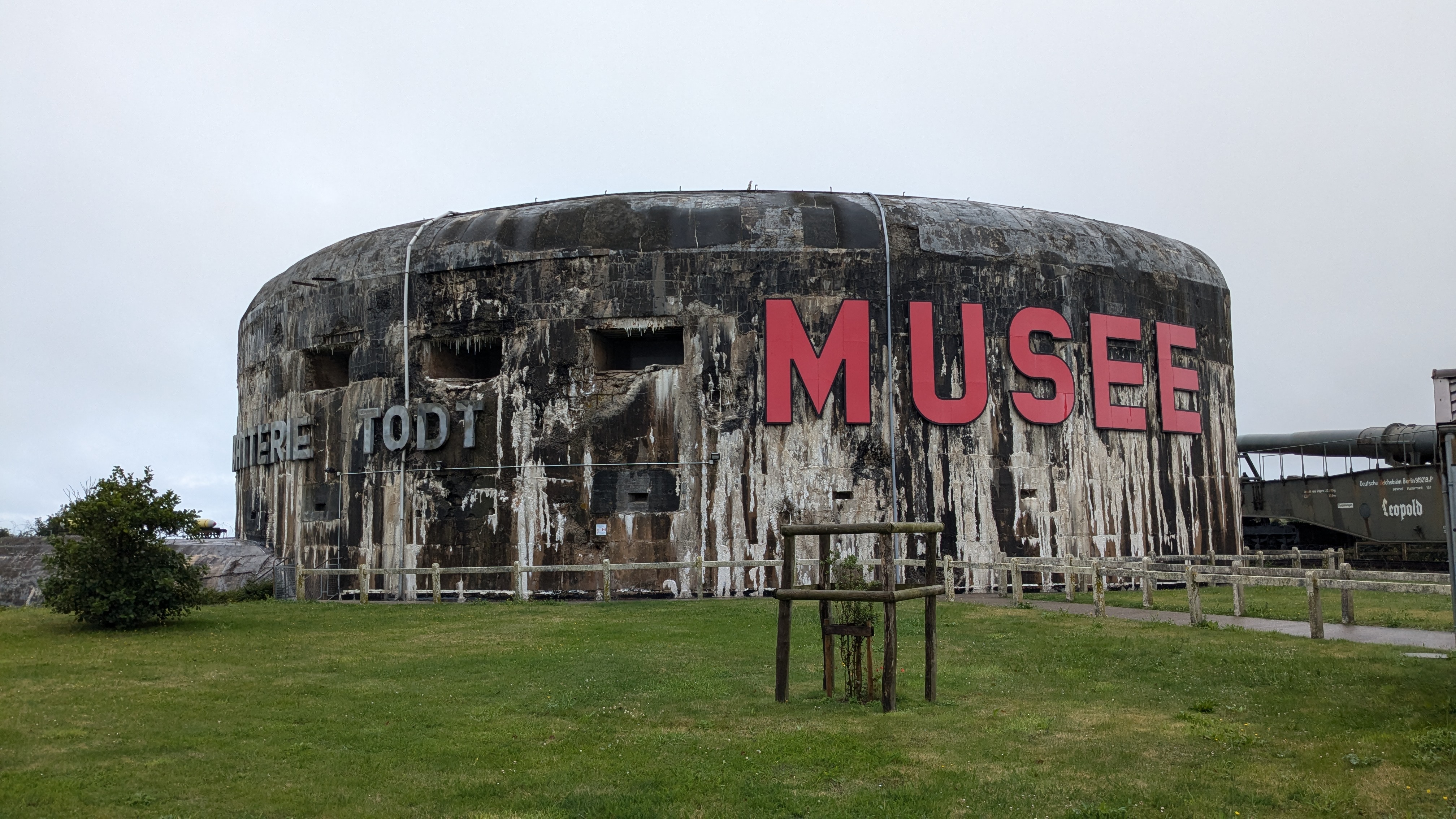
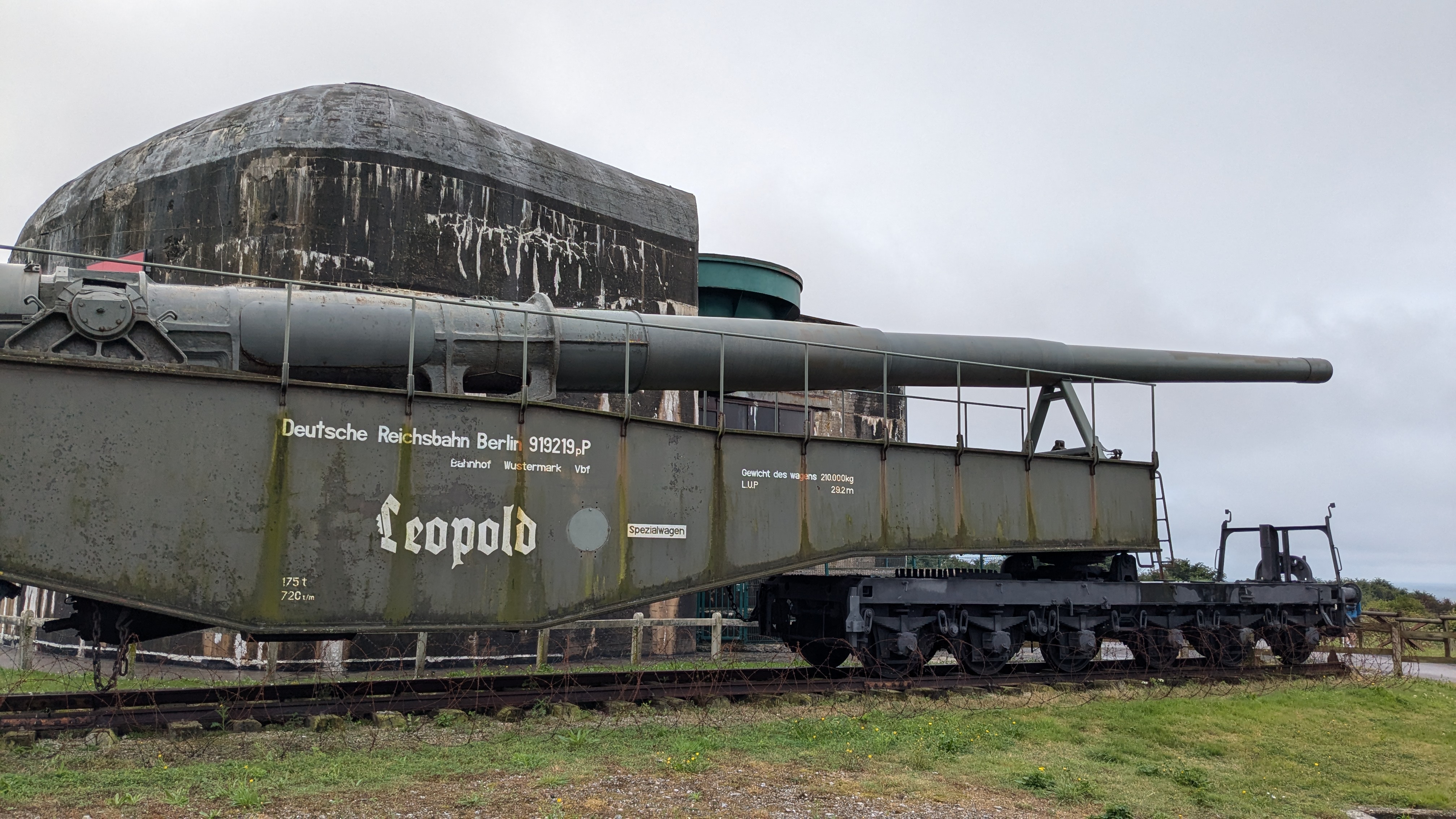
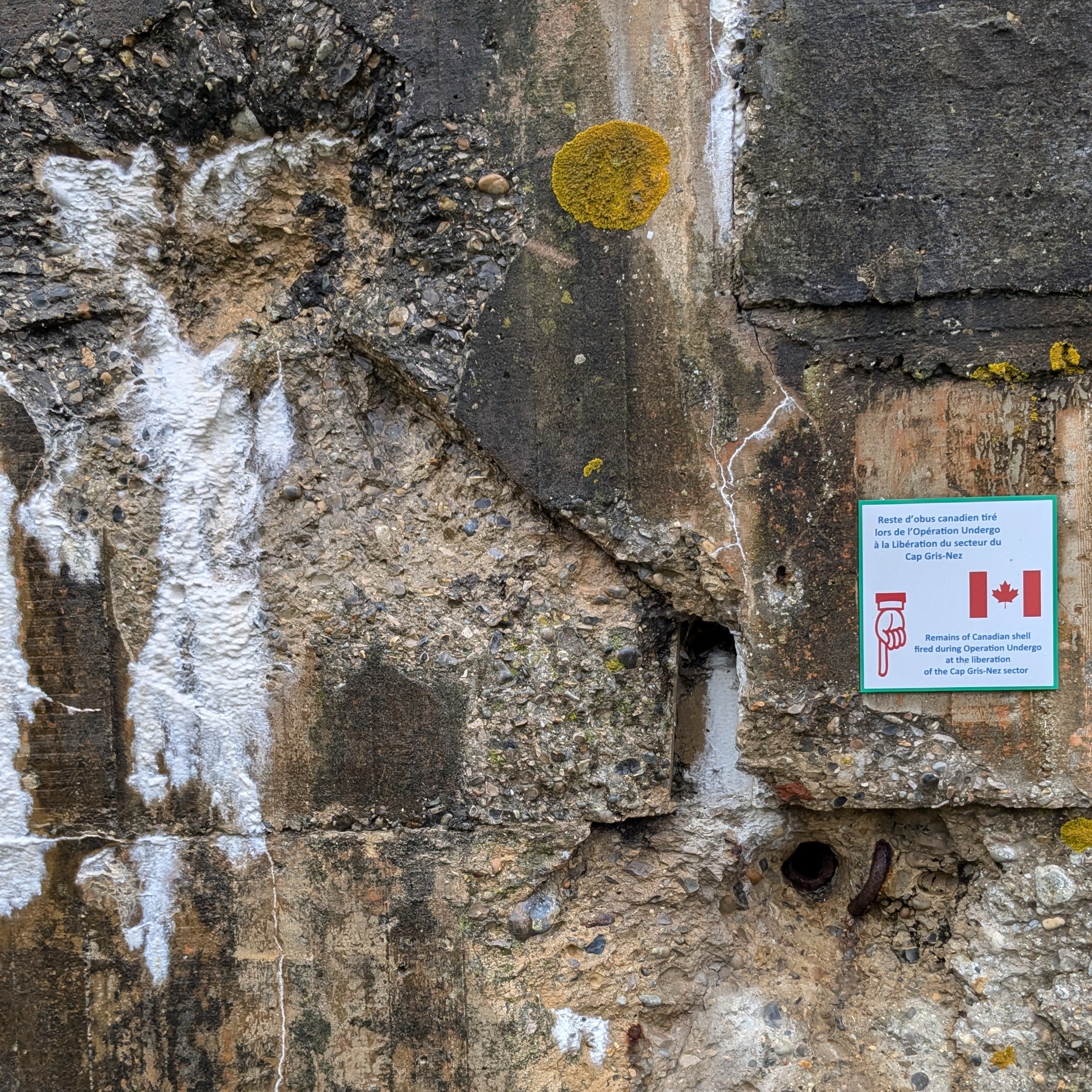
As a fan of WW II documentaries, this was something that I did not want to miss. It is an old battery of coastal artillery, now converted into a museum. The museum was setup by a private (Canadian?) foundation, to bring back the battery from ruins to an educational museum. You will learn about history of the battery, construction, life of soldiers in the battery and liberation of the region by Allied forces. One of the most interesting things I saw were the marks left on the walls of the battery during the liberation battle (as shown in an image below).
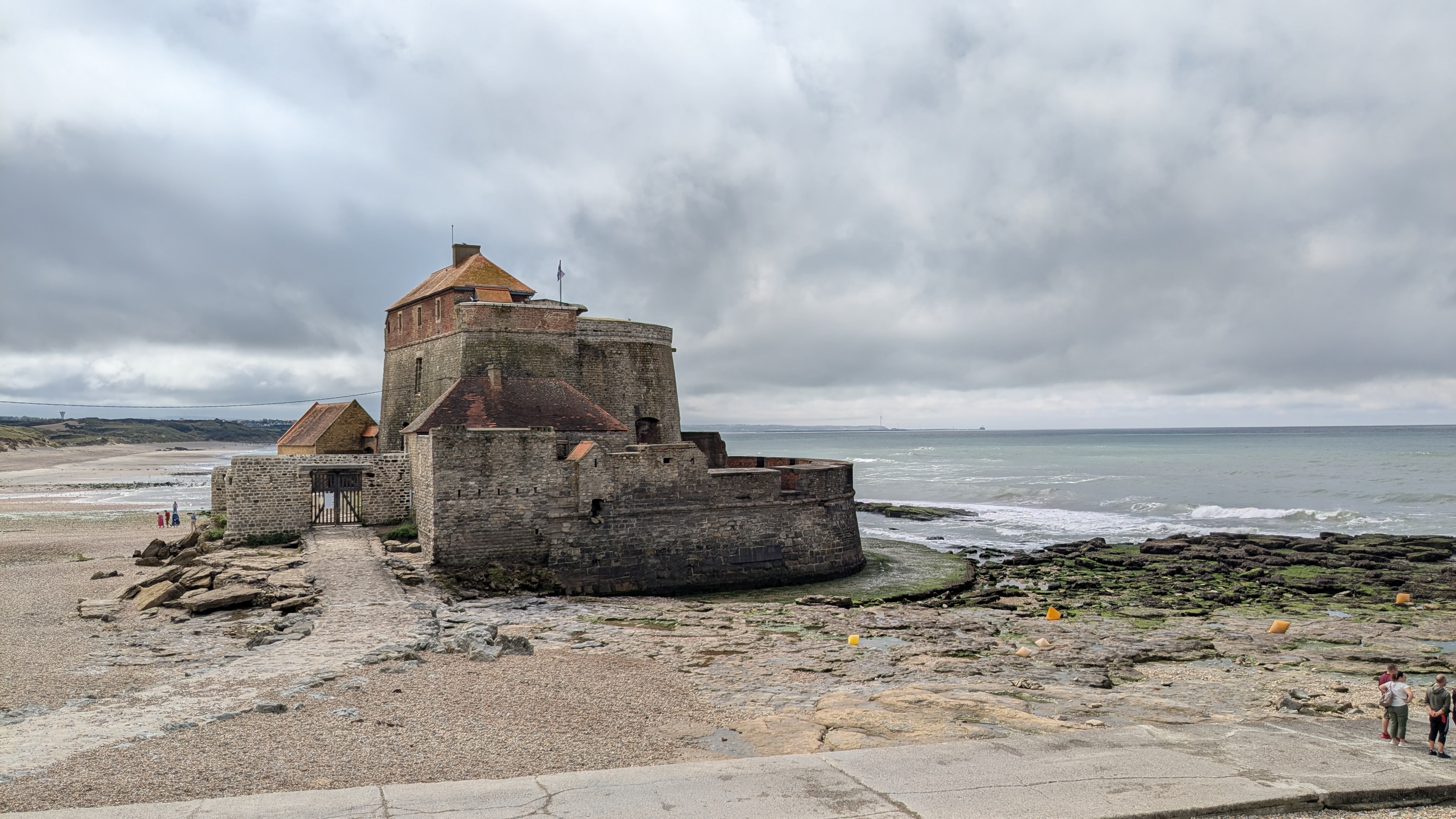
Fort D’Ambleteuse and Plage D’Ambleteuse
This location has a very beautiful (rocky) beach with an old artillery tower (fort) built around 1680s. The fort was closed during our visit, but it is a very nice location for a stroll.
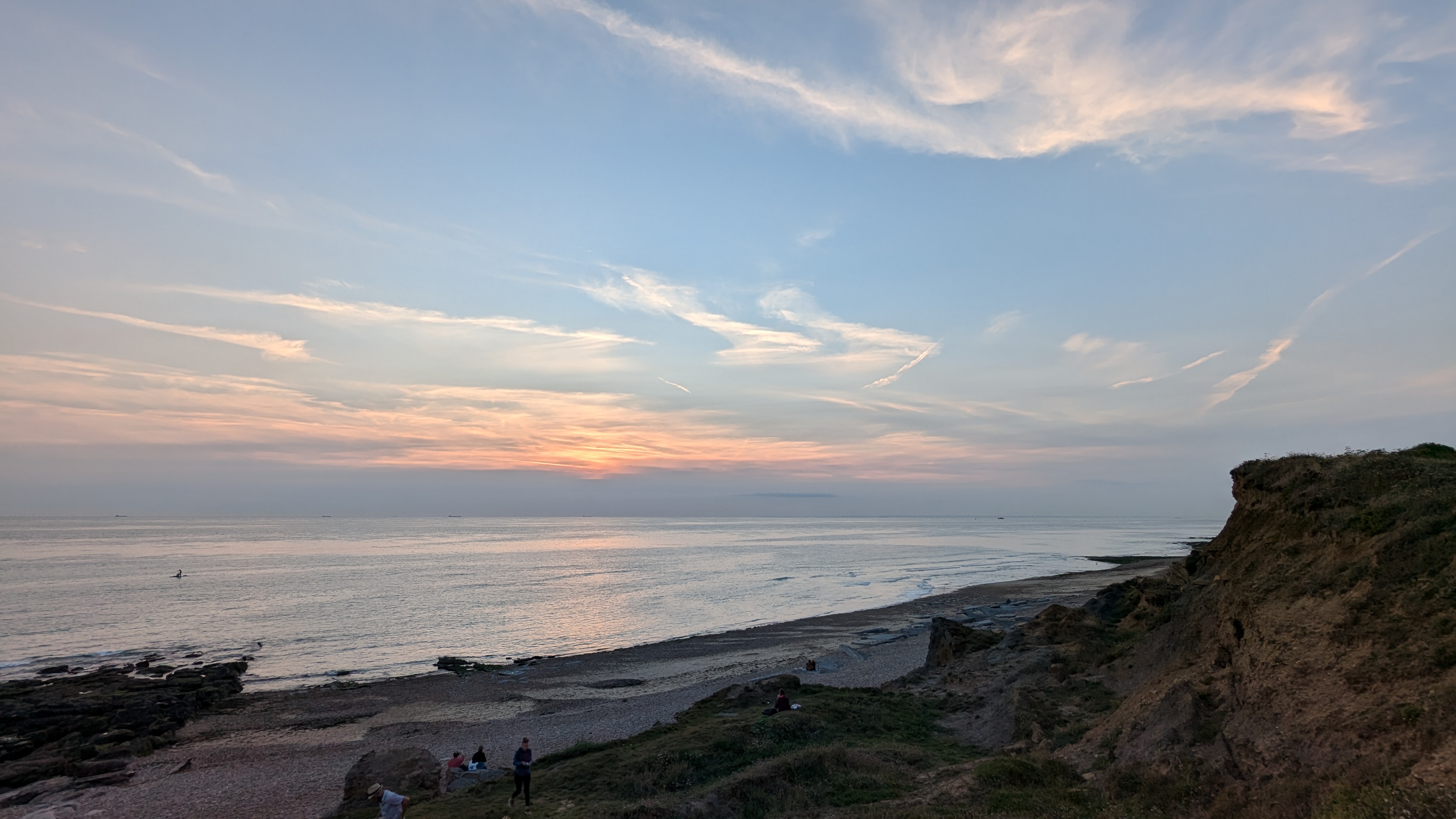
Cran du Noirda
This was a hidden location that we came across while driving to the Plage D’Ambleteuse. This small exit to the main road has a great view, and you can just sit there and watch the sun go down.
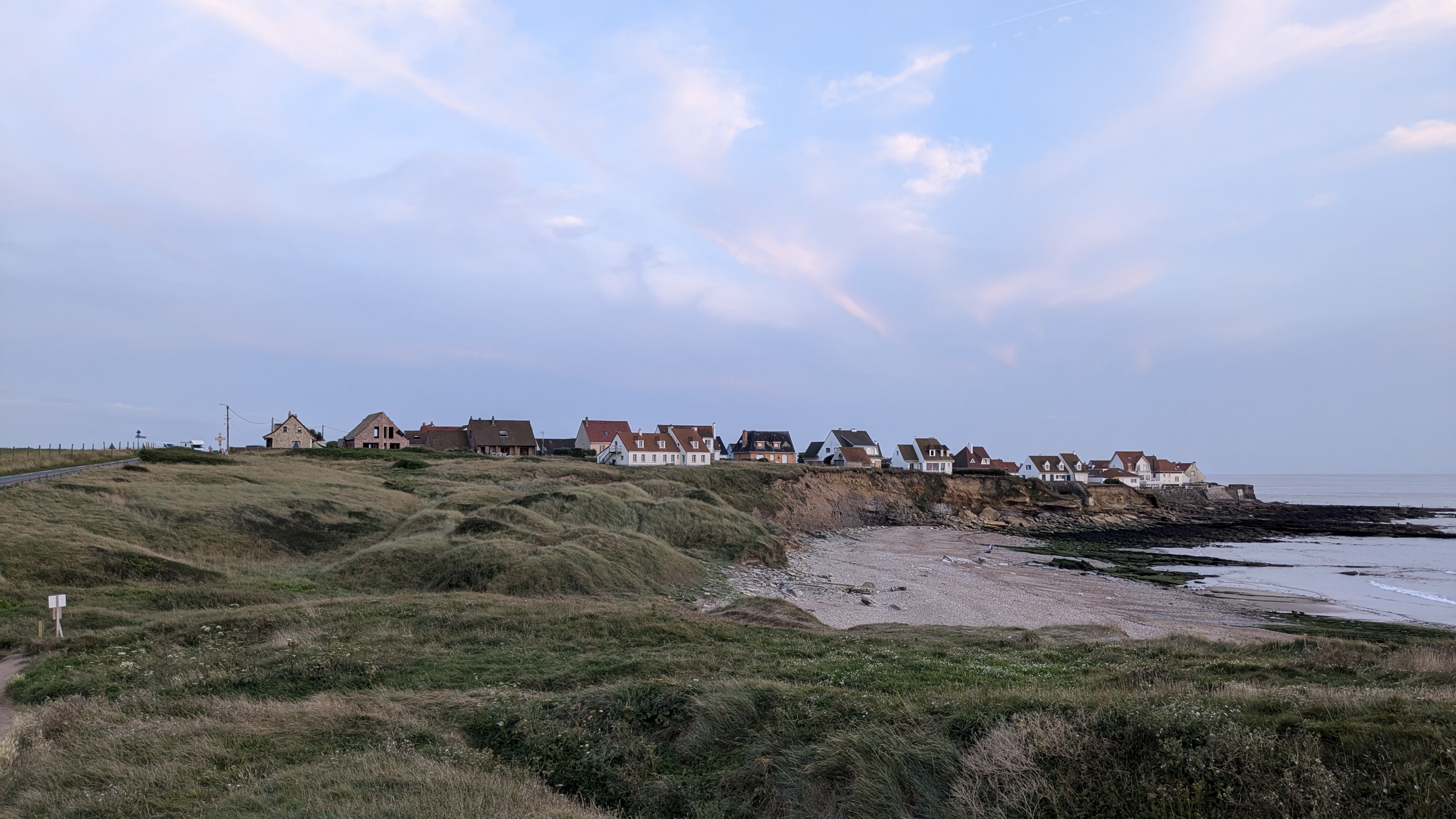
Cap Gris-Nez
The first of the two iconic promontories, Cap Gris-Nez offers a great view point. It features a grey stone cliff, a lighthouse and a small hiking trail. As mentioned before, on a clear day, you will be able to see the English coast from this location.
The town of Wissant
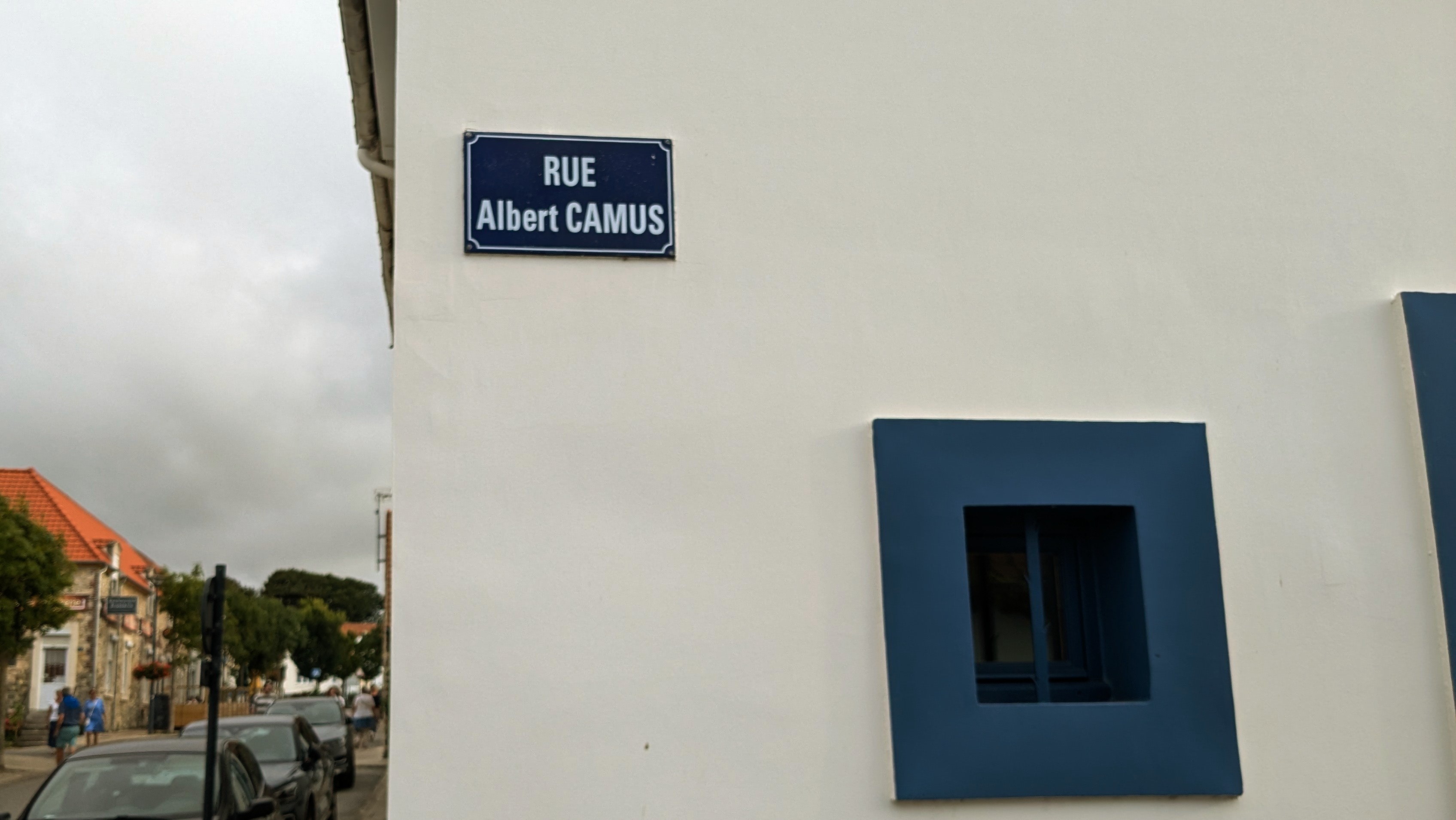
Wissant is one of the popular towns in this region and we absolutely loved this tiny settlement and its local market. We spent quite some time just walking around the streets, the market, the beach (plage de Wissant) and the local restaurants. One of the places we ate at was Chez Max, a beautiful pizzeria (an image below).
Hike from Wissant to Cap Blanc-Nez
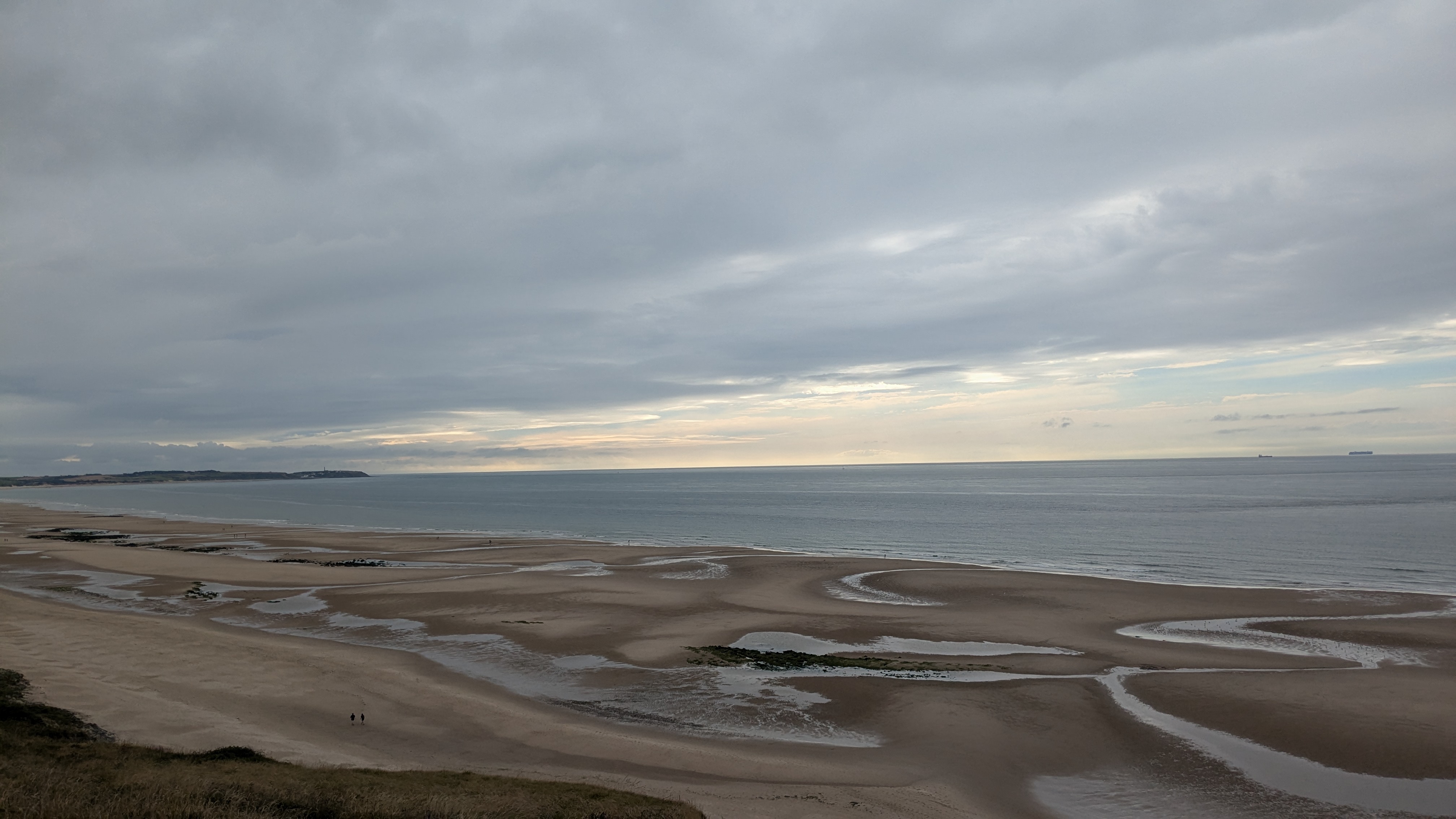
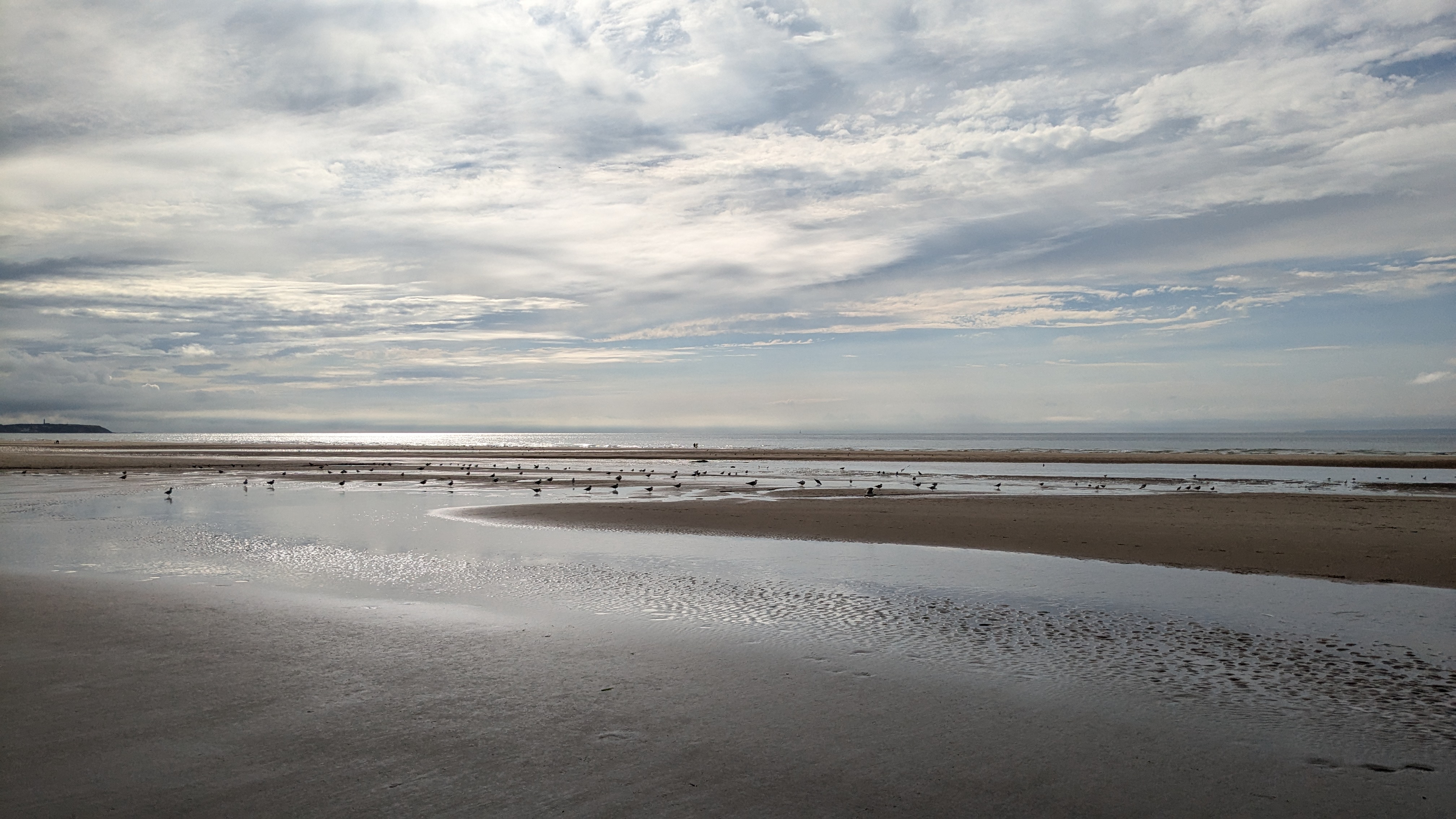
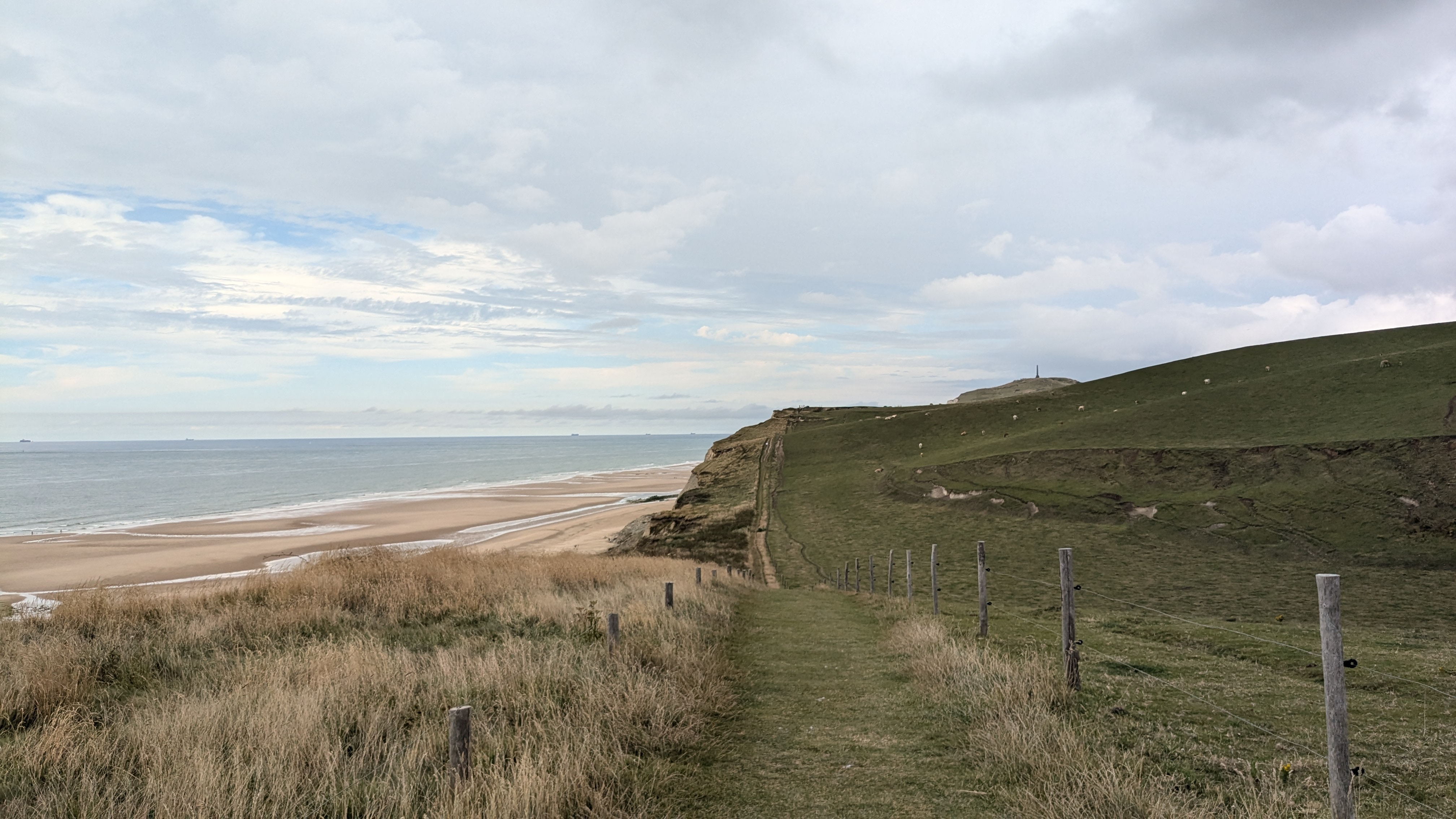
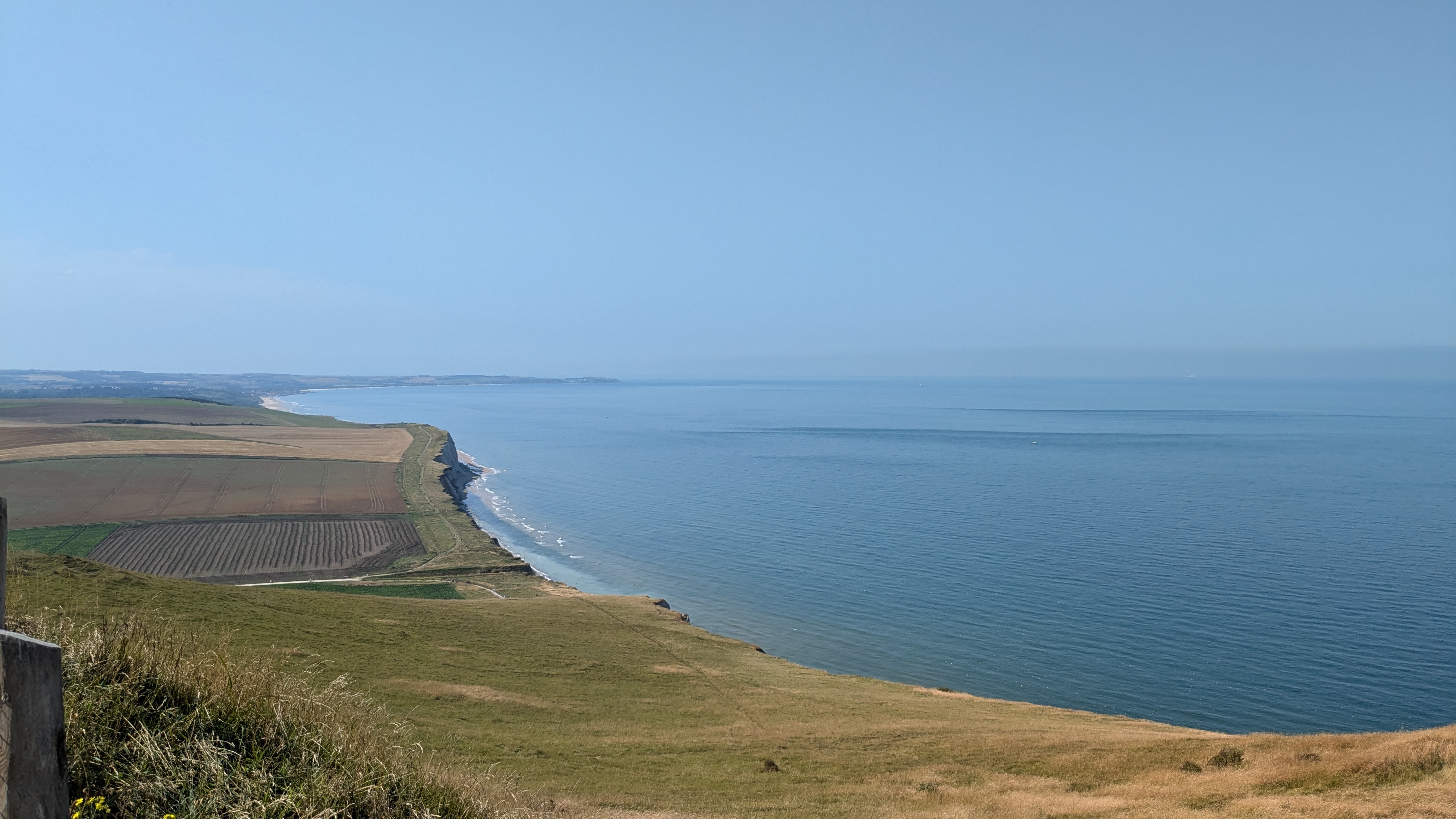
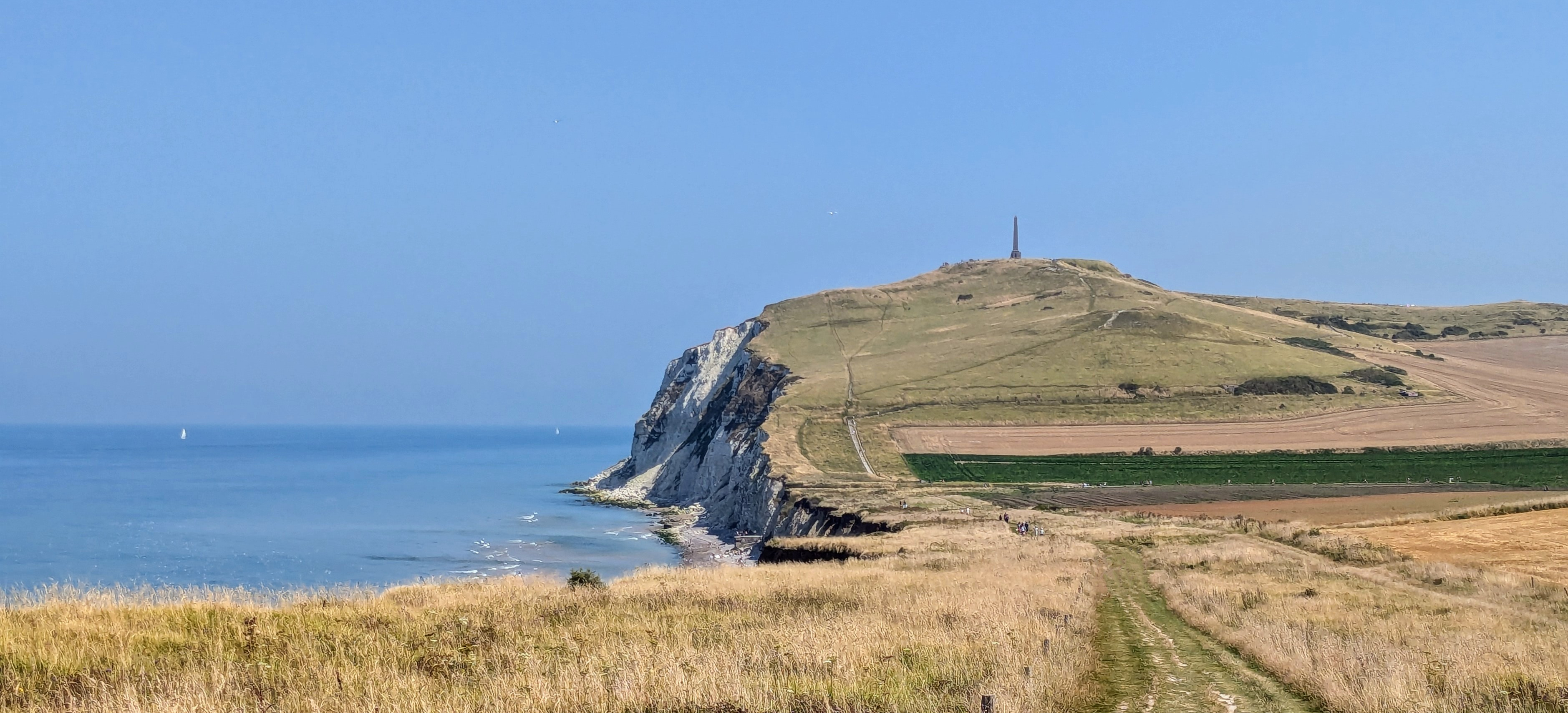
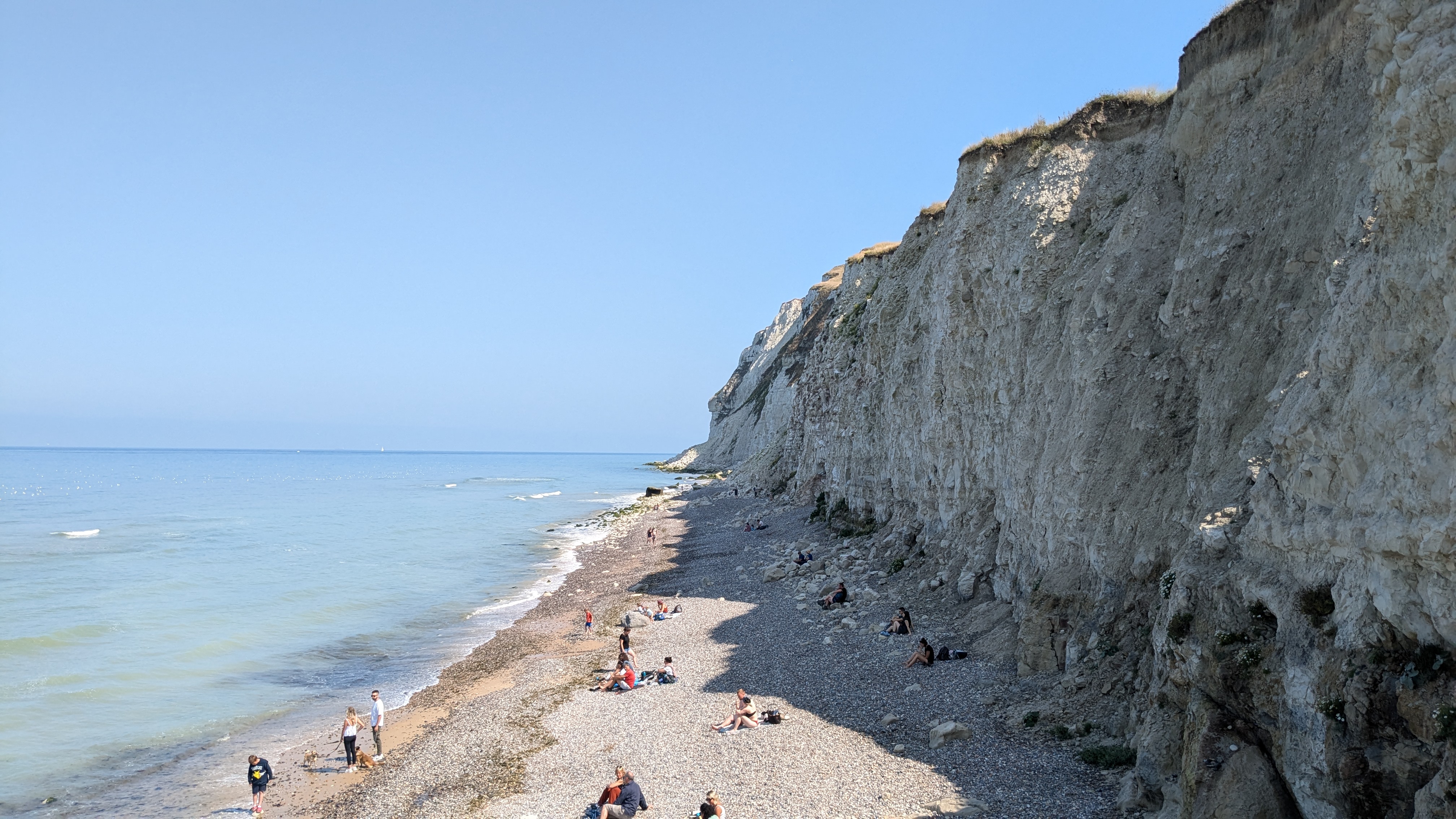
This hike is filled with scenic viewpoints and is a great way to just walk around the beach, the cliffs and the fields. It is about 8 km one-way uphill hike starting from plage de Wissant up to Cap Blanc-Nez. I would strongly advice to keep in mind the timing for high tide as it may get tricky to walk back via the beach at high tide.
Calais and Plage de Calais
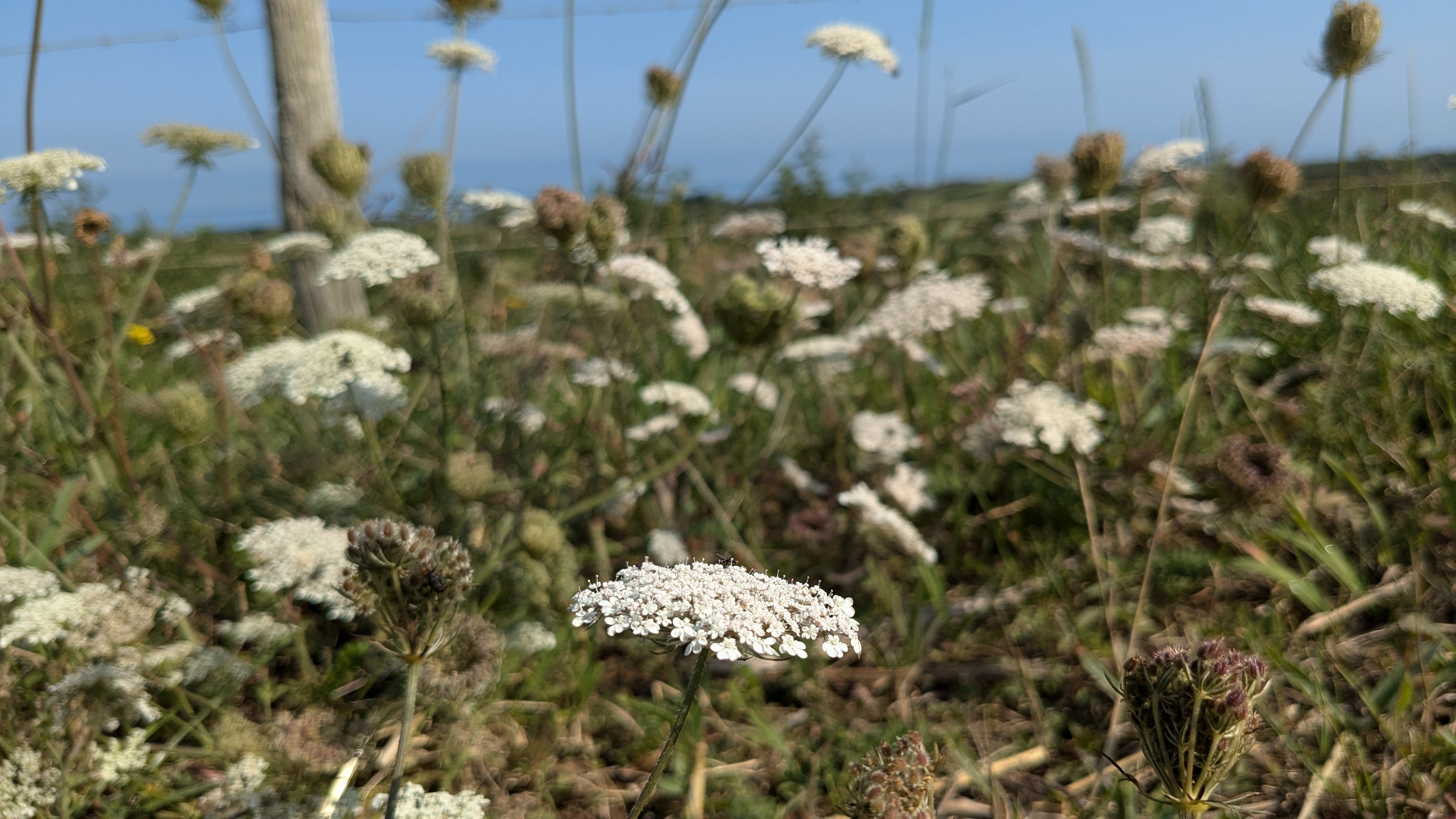
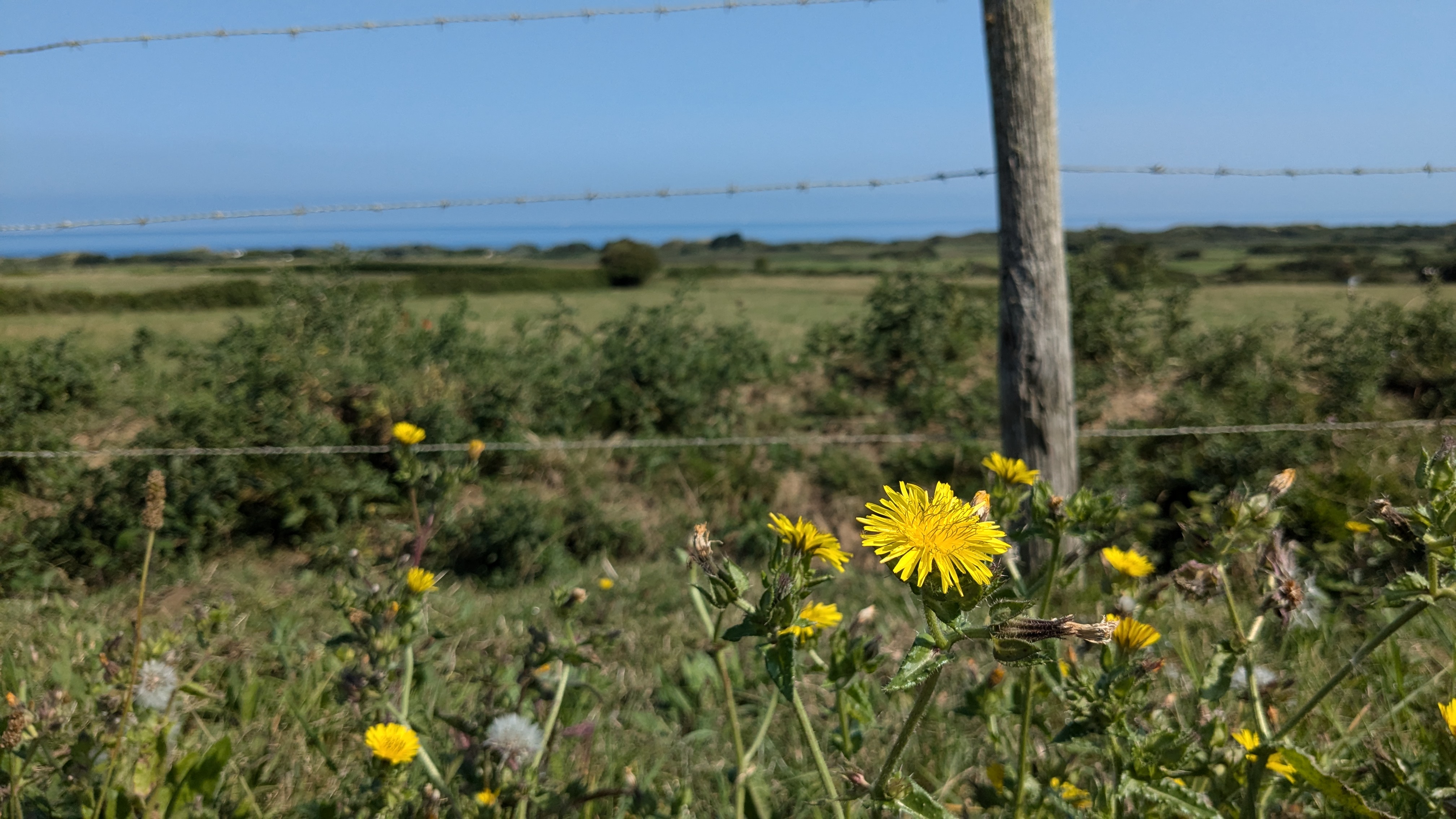
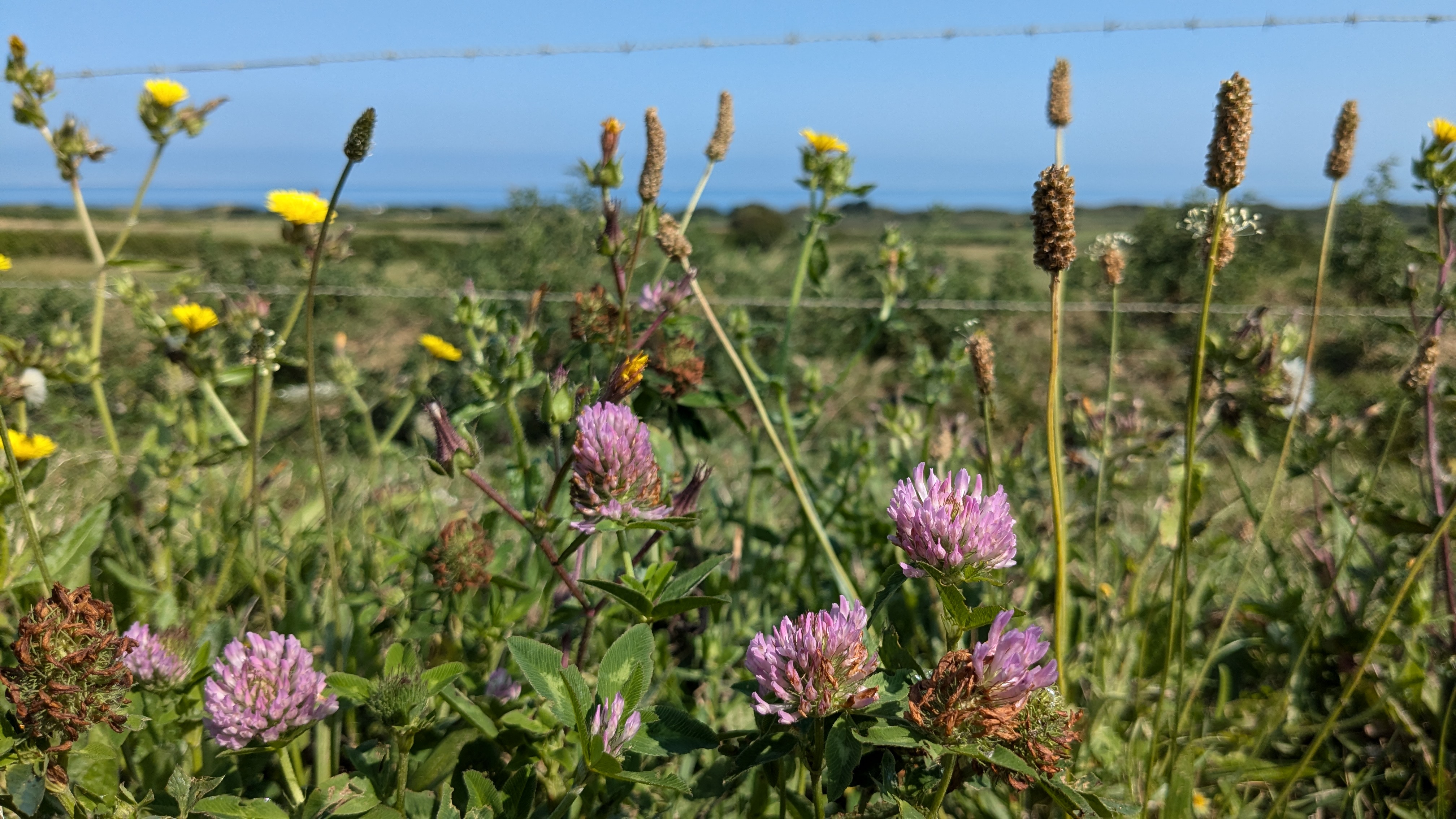
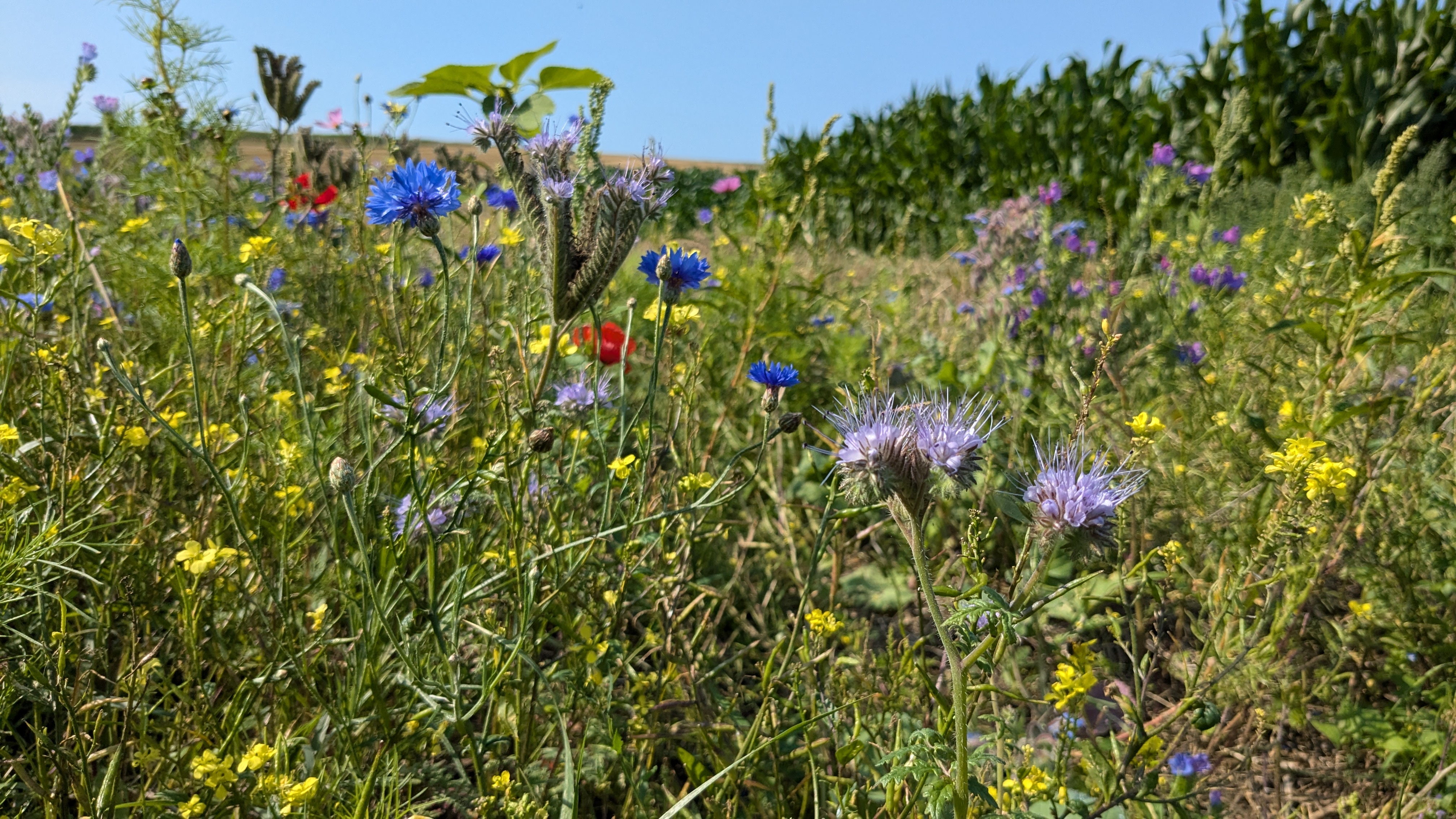
Calais is one of the bigger towns in the region and has a huge (and super touristic) beach, Plage de Calais. If you enjoy beach in the company of many people, food stalls, ice-cream trucks etc, this might be something to check out. We visited the town and the beach, but did not find this town very attractive for our liking. Though on the way while driving to this town, we took a short detour passing by some fields and beautiful roadside flowers.
Other blogs/websites to check out
- https://www.tourisme-en-hautsdefrance.com/decouvrir/la-cote-dopale/
- https://www.lonelyplanet.com/articles/first-time-guide-to-cote-dopal-france
- https://www.cote-dopale.com/
- https://hellolaroux.com/visiter-cote-dopale-faire-voir/
- https://www.lavelomaritime.fr/idees-parcours/les-sites-incontournables/cote-opale-grand-site-des-2-caps
- https://www.emmasroadmap.com/cap-blanc-nez/


Leave a comment